In vivo CAR-T has become a strategic priority for large biopharma. Between 2025 and early 2026, the field saw a sequence of high-value acquisitions and platform deals involving AbbVie, AstraZeneca, Bristol Myers Squibb, Johnson & Johnson, Kite, and Lilly-linked collaborations.
The field has moved beyond early proof-of-concept work and is now focused on solving delivery challenges. The underlying biology is relatively well understood, with targets such as CD19 and BCMA already validated in ex vivo CAR-T therapies. As a result, differentiation is increasingly driven by how effectively therapies can be delivered, including vector design, targeting approaches, payload construction, and the ability to manufacture these systems at scale.
Clinical programs are now active across both viral and non-viral approaches. Lentiviral systems currently lead in clinical maturity and are intended to support durable expression, although human durability data remain limited. mRNA-LNP platformshave entered the clinic and validated transient in vivo cell engineering as a viable modality, with repeat dosing and long-term treatment strategies not yet established in humans.
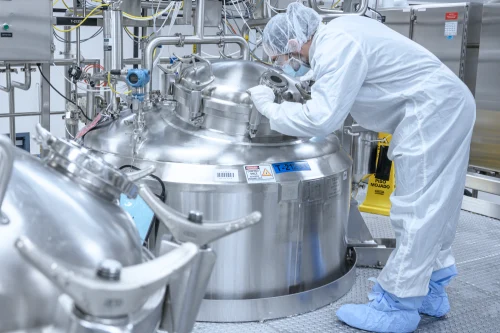
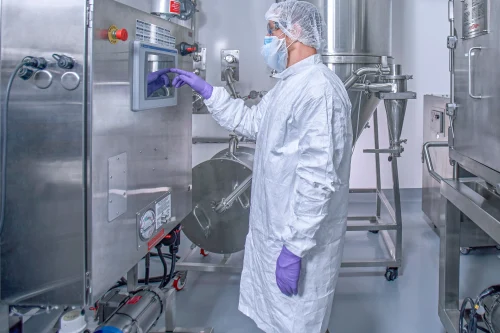
The manufacturing problem in in vivo CAR-T is fundamentally different from ex vivo CAR-T. Complexity moves away from individualized cell processing and toward industrialization of vectors, nucleic acids, formulations, conjugation chemistry, analytical characterization, and systemic safety control.
Sponsors entering the field often prioritize partners that can integrate process development, GMP-ready platform manufacturing, analytical science, and regulatory strategy early. Avoidable CMC setbacks at the IND stage can meaningfully delay clinical entry and reduce strategic flexibility later.