Processes you understand. Performance you can trust.

Every process we develop is built around your desired target product profile. We translate product requirements into defined critical quality attributes and design processes that consistently meet them under GMP conditions.

Whether you bring an existing process or start development with us, we apply Quality-by-Design (QbD), Design-of-Experiments (DoE), in-process controls, and risk-based tools such as FMEA to identify and monitor critical process parameters. We then use those insights to further define characterization and control strategies and optimize process steps and unit operations for robust, scalable biologics drug substance and drug product manufacturing for clinical and commercial supply.
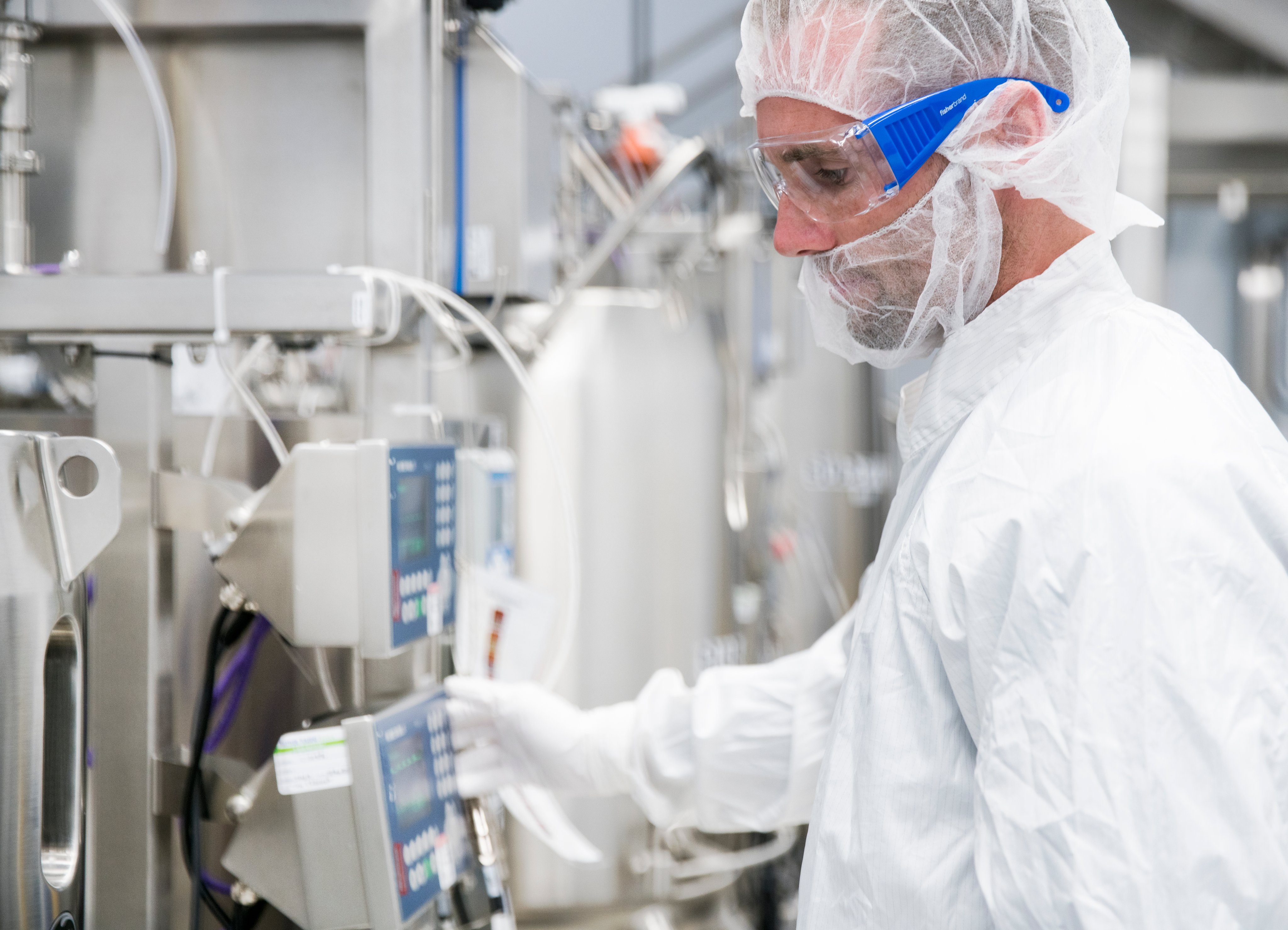
Build your process strategy

Biologics Process Development

Platform and bespoke biologics process process development approaches

Our integrated process development approach builds on proven platform knowledge and extends it through targeted optimization to meet the specific needs of your molecule. We design processes that scale across development and perform reliably during GMP DS/DP manufacturing.

Advantages:

  • Accelerated timelines supported by platform foundation and targeted optimization
  • Rapid identification and control of critical process parameters
  • Extended platforms that combine proven steps with toolbox options for complex molecules
  • High-throughput screening and well-characterized process options to accelerate DS purification and DP formulation development

When working with external or customer-derived processes, we rapidly assess platform compatibility and adapt process conditions to align with product characteristics. Using advanced process control, risk-based development, and high-throughput screening, we determine where platform approaches can accelerate timelines and where tailored solutions are required to address molecule-specific challenges such as aggregation, host cell proteins, chain pairing, stability, viscosity or process volume constraints.

Upstream and downstream process optimization for mammalian process development

We develop upstream and downstream processes for cell lines created with our GS Gene Expression System® technology and those brought to us by our customers. Development teams work closely with manufacturing and quality assurance to define and document all new processes and create robust manufacturing procedures. We perform complete development programs or individual work packages based on your technology.  

Capabilities include: 

  • Inoculum expansion and production bioreactor processes 
  • Feeding strategies and cell line stability studies 
  • Scale-up proven to 20kL bioreactors 
  • Complete or modular work packages 
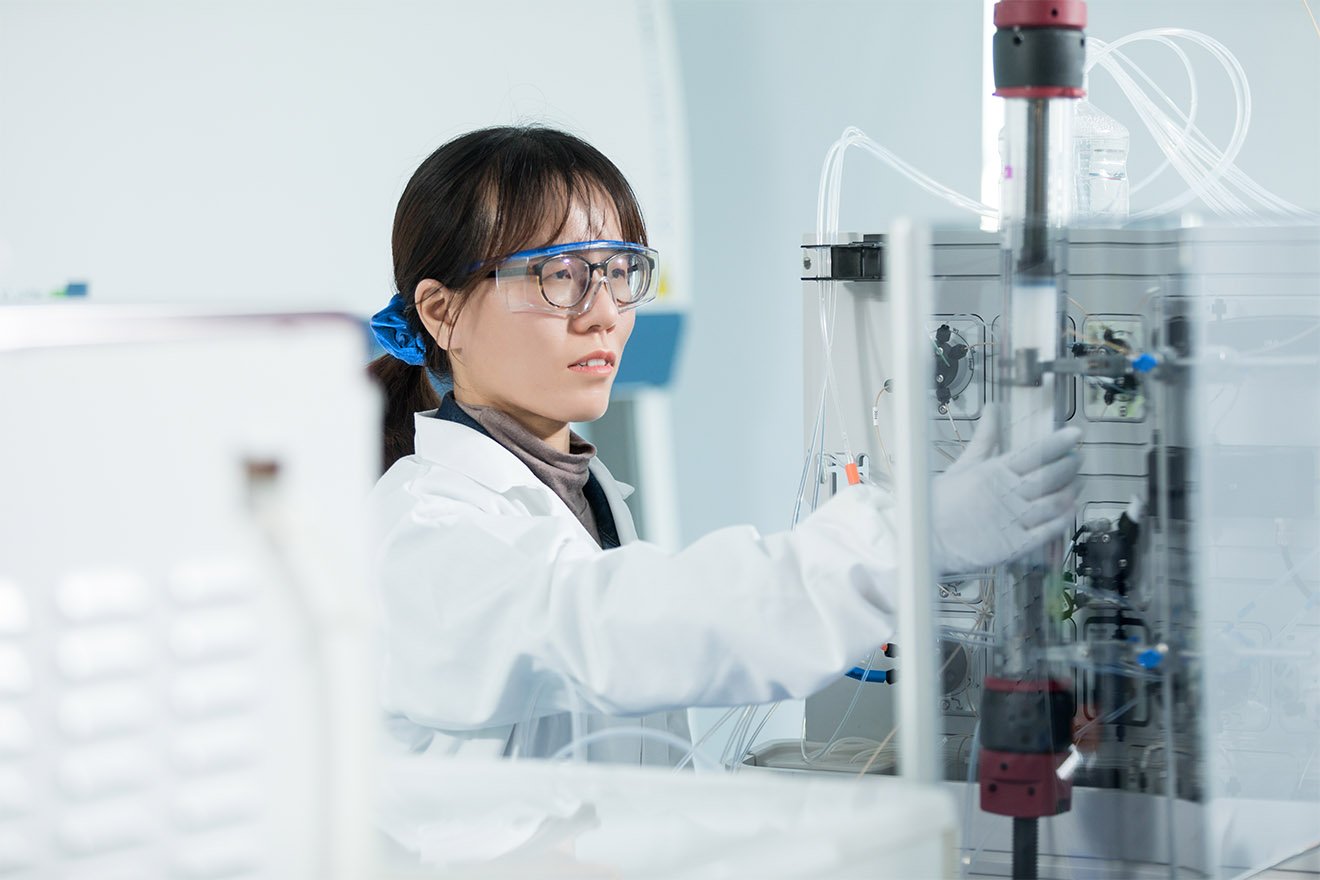
Upstream and downstream process optimization
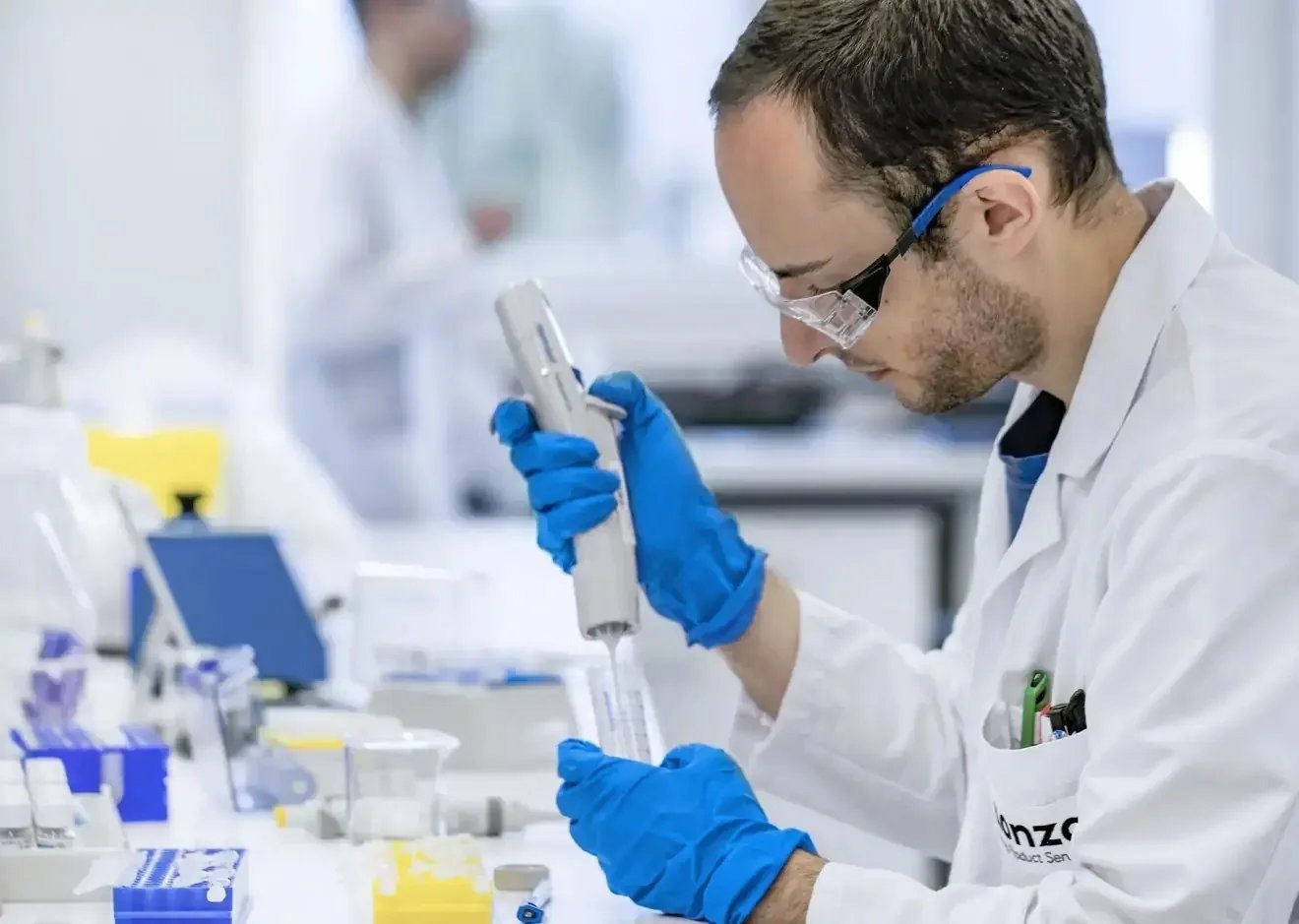
Downstream process development for complex biologics

We design downstream processes that purify your molecule efficiently while meeting quality and scalability requirements. By combining platform purification with targeted optimization, we address aggregation, host cell proteins, viral clearance, and increasing process volumes—ensuring robust, scalable performance from development through GMP manufacturing. Leveraging high‑throughput chromatography, we rapidly screen and refine conditions to accelerate downstream biologics process development at scale. 

Capabilities include:

  • Platform-based capture and polishing with targeted optimization 
  • High‑throughput chromatography to accelerate process development 
  • Integrated viral clearance strategies 
  • Advanced chromatography to resolve key impurities 
  • Scalable processes adapted to higher titers and volumes 
Biologics_+Guangzhou_06
Phase-appropriate biologics drug product process development

We design drug product processes that are tailored to your development stage while targeting readiness for clinical and commercial manufacturing. From early formulation and unit operation selection to late-stage characterization and validation, we evaluate materials, process parameters, and their impact on critical quality attributes to build robust, GMP-ready processes. 

Combining scientific, regulatory, and manufacturing expertise, we support end-to-end development of your biologic using predictive tools, analytical insight, and close collaboration with manufacturing sites. 

Capabilities include: 

  • Phase-appropriate drug product process development and characterization across clinical and commercial stages 
  • Manufacturing Evaluation Studies (MES) to confirm process performance for clinical supply 
  • Late-stage process development and BLA/MAA support, including robustness and validation 
  • Lyophilization process development and optimization 
DPS_Basel_21
Manufacturing evaluation studies for drug product readiness

Manufacturing evaluation studies (MES) confirm that your drug product process performs reliably under manufacturing conditions. By assessing material compatibility, process parameters, and operational robustness, we align formulation, filling, and handling steps with cGMP requirements—reducing technical risk and enabling confident scale-up and tech transfer. 

Using predictive modeling, small-scale studies, and data-driven optimization, we evaluate critical operations early to establish robust, manufacturable processes that deliver consistent product quality at scale. 

Capabilities include: 

  • Freeze–thaw modeling and predictive small-scale studies 
  • Filtration compatibility, sizing and adsorption assessment 
  • Pooling, homogenization and hold-time studies 
  • Filling process optimization and pump compatibility (DoE) 
  • Light exposure and handling condition studies 
EVP_Stuecki_06_Pharmaceutical Development
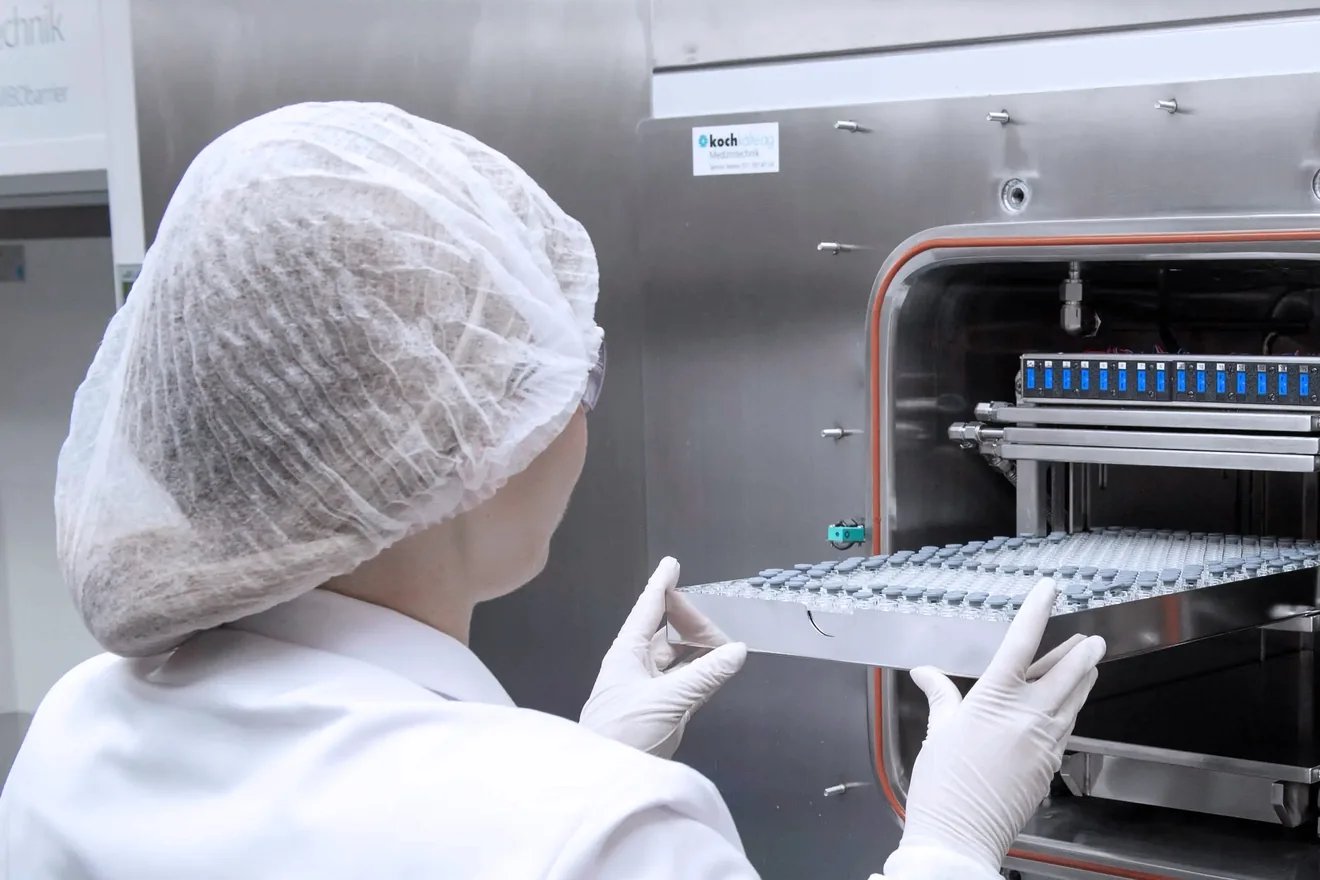
Lyophilization cycle development, scale-up and robustness

Lyophilization (freeze‑drying) stabilizes sensitive biologics by removing water through controlled freezing and drying cycles, enabling long‑term storage under refrigerated or ambient conditions. We design and optimize lyophilization processes that protect product integrity, achieve consistent critical quality attributes, and deliver robust, scalable performance for clinical and commercial manufacturing. 

Using advanced modeling, PAT tools, and structured DoE approaches, we characterize key parameters such as glass transition and collapse temperatures, optimize freezing and drying steps, and establish reliable control strategies. This enables efficient scale-up, smooth tech transfer, and reduced risk of variability or batch rejection. 

Capabilities include: 

  • Pre-characterization (e.g., glass transition, cake collapse temperature) and cycle screening 
  • Optimization of freezing, primary and secondary drying using DoE and modeling 
  • PAT-enabled cycle monitoring and scale-up prediction 
  • Assessment of residual moisture, reconstitution and protein integrity 
  • Advanced imaging and analytical tools to support robust process understanding 
Process Development
Frequently Asked Questions

Both options are possible. We regularly accept customer-originated cell lines and transferred processes across a wide range of expression systems. When you bring your own cell line, we run a rapid platform fit assessment and adapt our processes where needed to match your product's specific characteristics before moving into scale-up and cGMP manufacturing.

Yes. Our drug substance and drug product teams work as a single team in our integrated DNA-to-IND programs and integrated DS/DP offerings. This means DP formulation and other considerations are factored in during DS process development, reducing the risk of compatibility issues or rework later. You benefit from one project team and one point of accountability across both workstreams.

The earlier the better, but we can join at any stage. Early engagement allows us to build a platform process with commercial scale in mind from the start. For later-stage programs, we conduct a structured technology transfer assessment and develop a tailored approach to get your process fit for GMP manufacturing as efficiently as possible.

It goes well beyond documentation. Each project has a dedicated regulatory affairs contact who co-develops your CMC strategy, identifies the data package required for your target markets, and supports responses to health authority questions. We have filed CMC sections for more than 50 successful BLA and MAA submissions, including products with Breakthrough and PRIME designation.

Process transfer is built into our development workflow from the beginning. We establish and document critical process parameters during development, run robustness studies against those parameters, and conduct the transfer in close collaboration with our manufacturing and quality assurance teams. This means by the time you reach your first GMP batch, the process has already been stress-tested against the conditions it will encounter at scale.