
If your molecule falls into BCS Class II with low solubility, you face unique formulation hurdles. Our continuous, end-to-end hot melt extrusion contract manufacturing offers a highly cost-effective solution to optimize your solid dosage form. By choosing HME for your drug delivery strategy, you can directly achieve:
- Optimized overall drug bioavailability and rapid dissolution rates.
- Reduced food-effect variance for more predictable patient dosing.
- Enhanced therapeutic outcomes with potentially lower required doses.
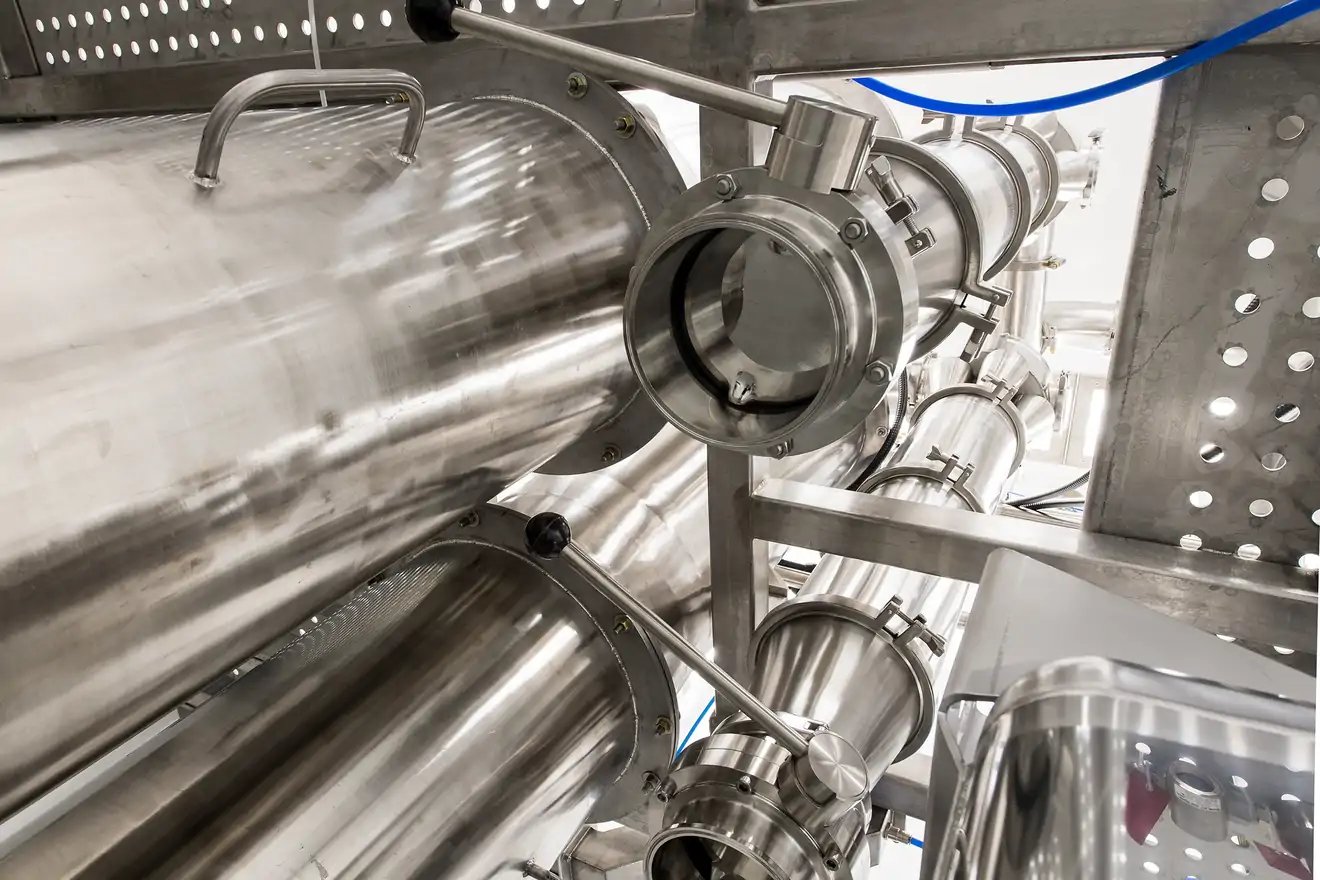
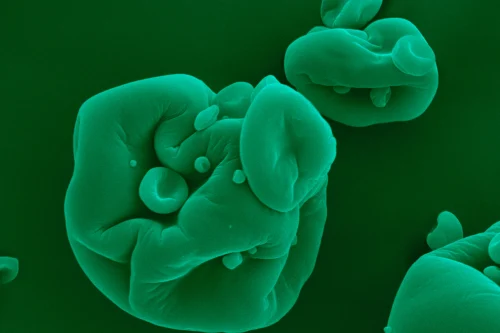
Your compound requires a stable environment to perform effectively. Our HME technology creates robust amorphous solid dispersions by melting or dissolving your drug substance directly into a protective dispersion carrier. We blend this mixture thoroughly to lock the drug into its highly soluble, amorphous state.
To give you complete control over performance, we can integrate functional excipients like surfactants to ease the extrusion process or fine-tune dissolution behavior during administration. Once cooled, the extrudate forms a uniform, glassy matrix. We then finely mill this material to your exact target particle size, giving you a versatile intermediate that can be:
- Filled directly into capsules for rapid, material-sparing early clinical phase.
- Blended with downstream excipients and compressed into user-friendly tablets.
We align our engineering strategies with your specific business goals, funding milestones, and molecule requirements. As a dual-platform amorphous solid dispersion CDMO, we maintain a scientifically validated approach to technology selection. If your early-stage molecule is heat-sensitive, we can leverage drug-sparing spray-dried dispersion (SDD) techniques, transitioning seamlessly to HME formulations when it makes the most sense for your dose requirements, physical properties, and target cost of goods.
Reliable, cGMP Hot-Melt Extrusion Scale Up
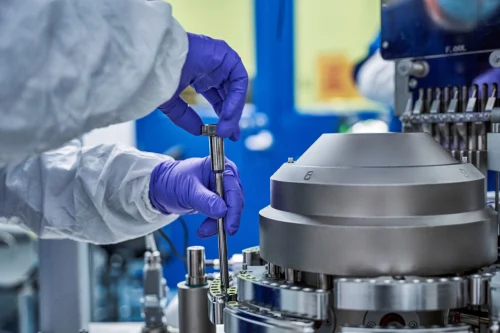
You can scale your manufacturing with complete confidence. Our flexible HME lines operate under strict current Good Manufacturing Practices (cGMP), ensuring a smooth, predictable path from small-scale clinical trial supply to full-scale commercial manufacturing. Our unified engineering standards mean your GMP hot melt extrusion scale up occurs seamlessly without the risk of moving to a new vendor.
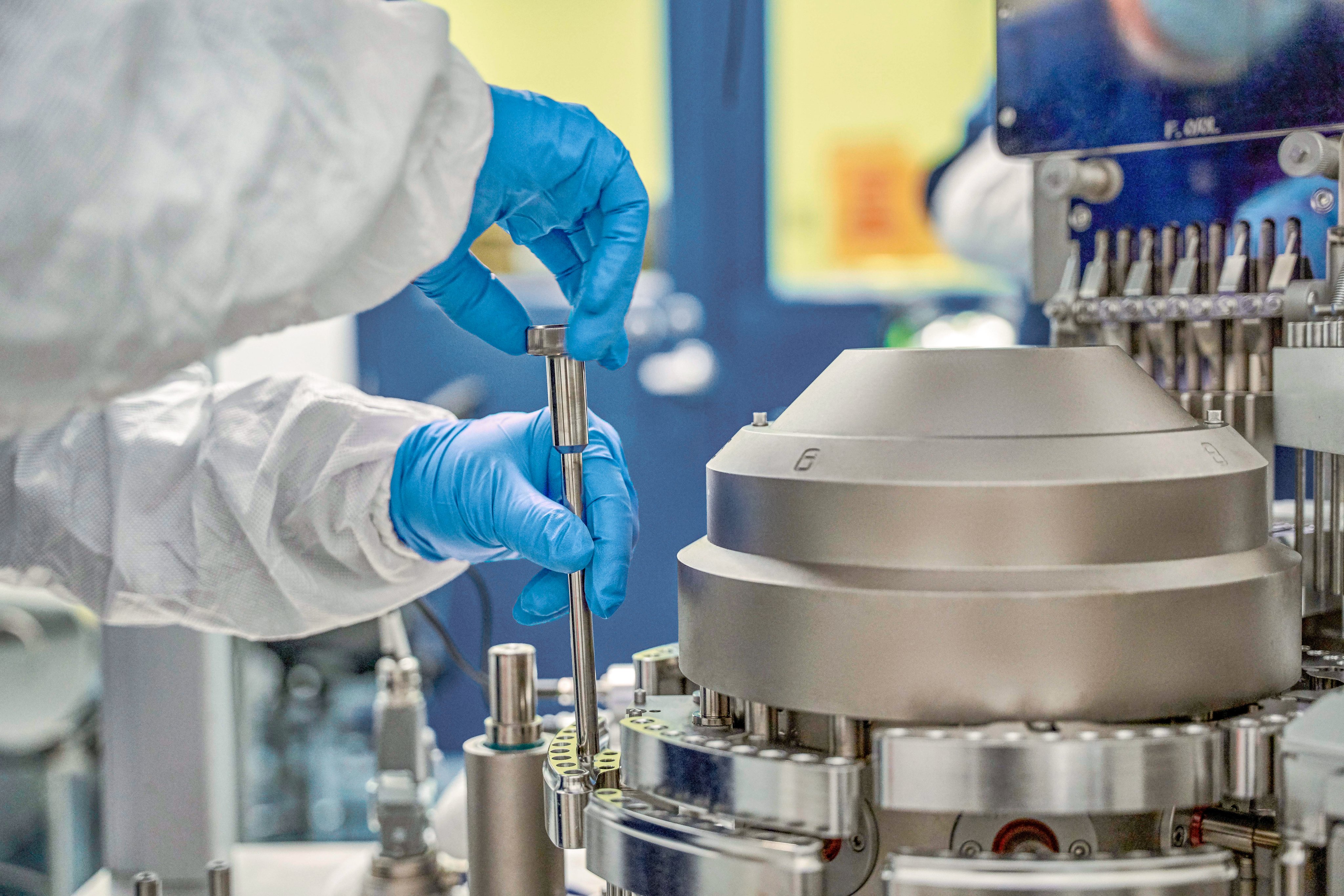
On-Demand Presentation: Rapid, Material-Sparing Feasibility Screening
Discover how to quickly assess Hot-Melt Extrusion (HME) feasibility without exhausting your precious, early-stage API supplies. This protocol delivers highly accurate predictions for API loading and degradation while saving you time and material.

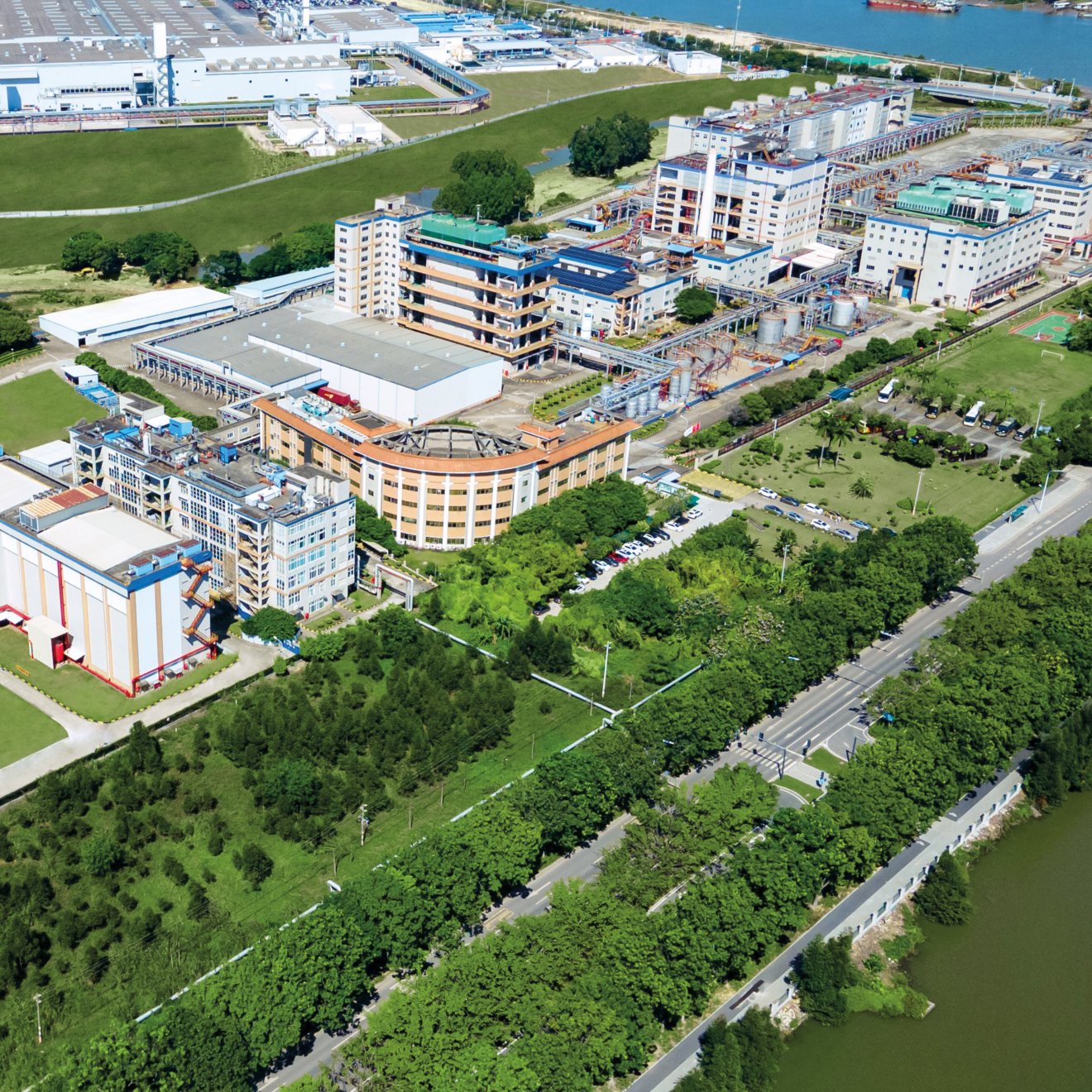
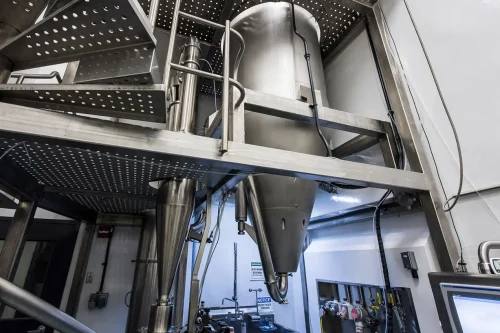
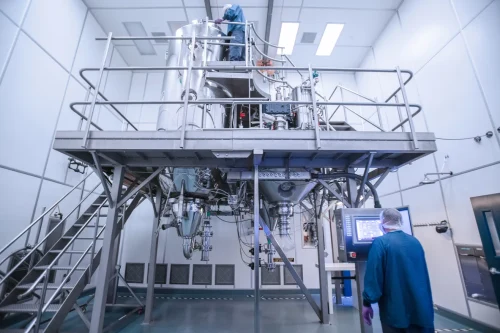
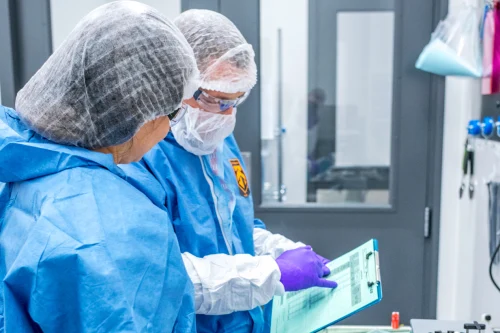
Hot-melt extrusion contract manufacturing is ideal for BCS Class II or IV molecules with low solubility and poor bioavailability. For HME to be successful, your drug substance must be thermally stable at the target processing temperatures. It should ideally have a high melting point and a broad process window where it can dissolve into a carrier polymer without thermal degradation.
To conserve your early-stage raw materials, Lonza utilizes advanced, material-sparing screening protocols. We can assess thermodynamic drug-polymer miscibility and baseline thermal stability using as little as 10 to 50 milligrams of your active pharmaceutical ingredient (API). This screening lets small biotech teams de-risk their drug delivery strategy before scaling up to larger clinical lines.
While both methods create stable amorphous solid dispersions (ASDs), HME is an entirely solvent-free, continuous process, making it highly cost-effective for thermally stable compounds. Spray-Dried Dispersion (SDD), on the other hand, relies on organic solvent evaporation and is better suited for highly heat-sensitive molecules. Lonza operates both platforms to help you select the optimal, unbiased pathway for your compound.
Transitioning from a lab-scale feasibility formulation to a GMP-compliant clinical trial batch generally takes 4 to 6 months. Lonza compresses these timelines by using identical twin-screw extruder design geometries and predictive processing algorithms across our network. This reduces standard trial-and-error periods and ensures a predictable, rapid scale-up to meet your clinical milestones.
Outsourcing to a single-source amorphous solid dispersion CDMO with integrated HME lines eliminates the risk of late-stage tech transfers. Continuous HME manufacturing offers small footprint operations, low unit costs, and excellent batch-to-batch reproducibility. Partnering with Lonza ensures the same engineering standards and analytical methods support your molecule from initial non-GMP screening up to global commercial supply.