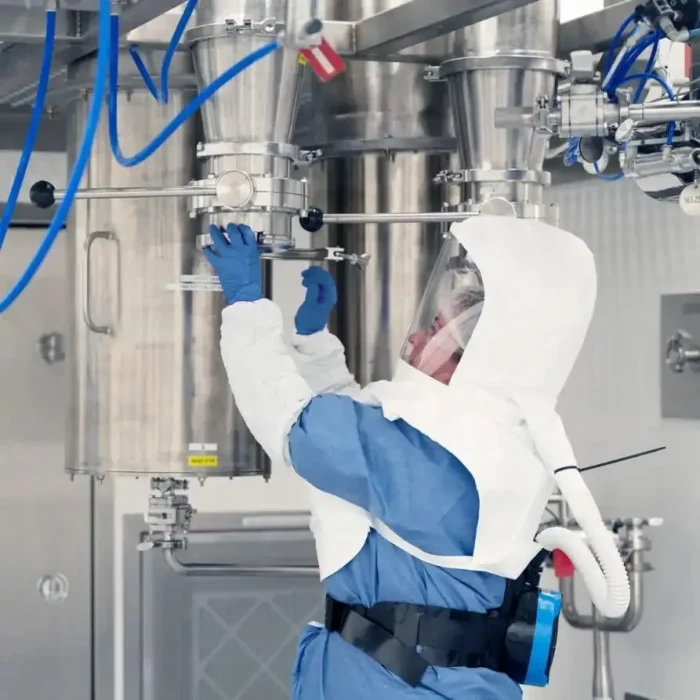
When an API fails to dissolve effectively, the entire development pathway can be impacted—from inconsistent absorption to delayed timelines and increased risk.
This is where solid dispersion technology becomes critical.
By converting APIs into an amorphous form and stabilizing them within a polymer matrix, Lonza helps prevent recrystallization and significantly improves solubility and absorption. The result is a formulation that performs more reliably, minimizes variability such as food effects, and ultimately supports better therapeutic outcomes.
Instead of working around limitations, you can focus on advancing your molecule with confidence.
- Broad applicability over a diverse compound property space
- Accommodates high dose applications for safety studies
- Applicable for either tableting or encapsulation as drug product formats
- Applicable for extended-release and combination formulations
- Compatible with both tablet (MR, XR) and capsule formats
- Enable the development of extended-release and combination therapies to enhance treatment options
- Scale processes seamlessly and ensure reproducibility
Utilizing polymers
Utilizing polymers enhances the solid-state stability of ASDs to ensure consistent performance and reliability throughout the formulation process. The polymer is selected based on its ability to stabilize the amorphous drug.
Characterization techniques
Once the ASD is formed, various techniques confirm its amorphous nature and help us understand its properties.
Stability studies
We conduct stability studies to ensure that the ASD is physically and chemically stable over time. This involves storing the dispersion under various conditions and monitoring any changes in its physical and chemical properties.
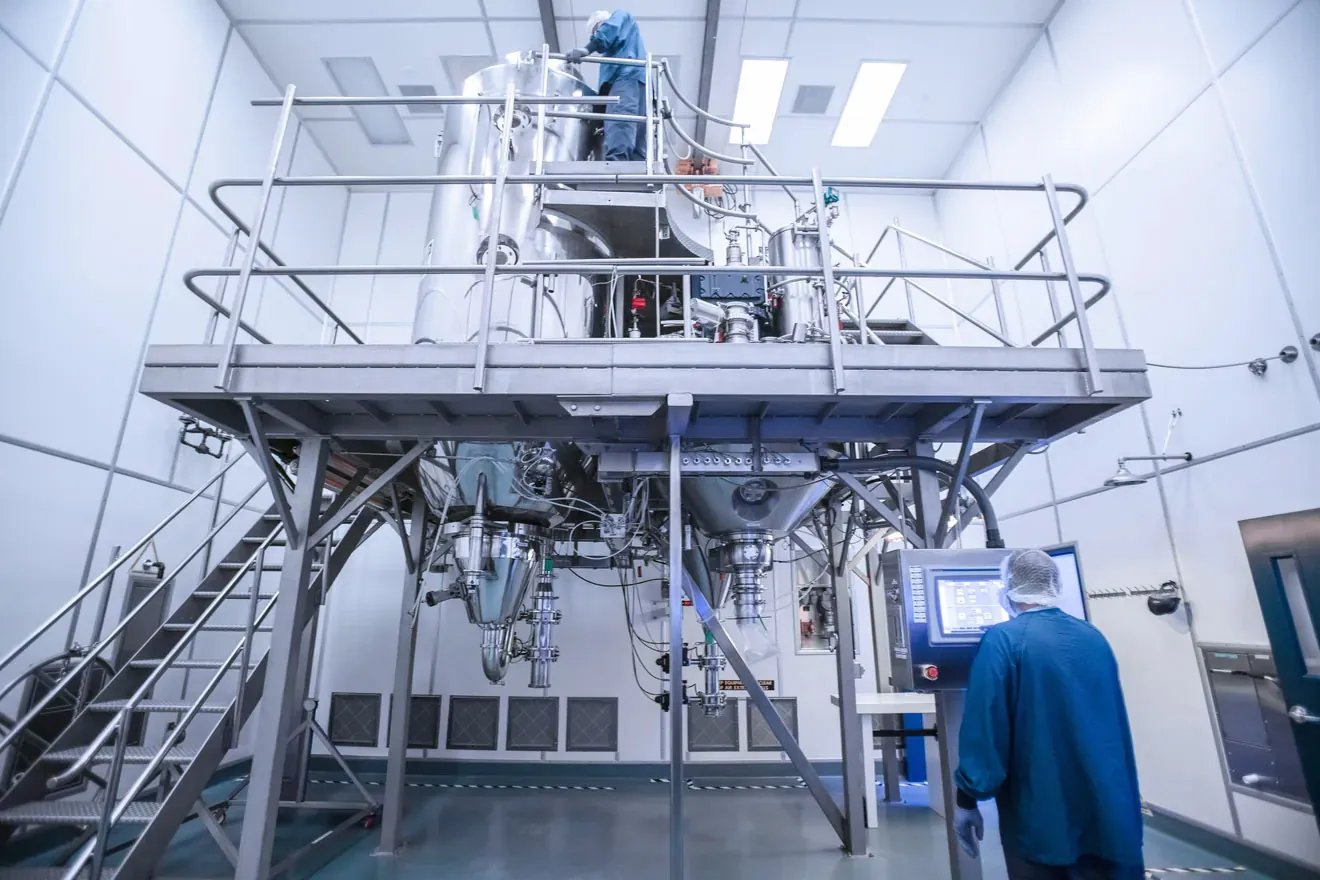
When a solid dispersion is determined to be the proper approach for addressing bioavailability issues, either spray drying or hot-melt extrusion technologies will be used to formulate the drug. Best practices have been developed for technology transfer between spray drying and HME. For example, spray drying is often used for feasibility, preclinical and phase I studies due to lower API requirements, whereas HME may be used later to lower manufacturing costs and scale operations.
This is typically based on several target product profile considerations, including:
- Physical and chemical stability
- Drug loading requirements
- Food effect and variability
- Combination versus single API products
- Commercial consideration
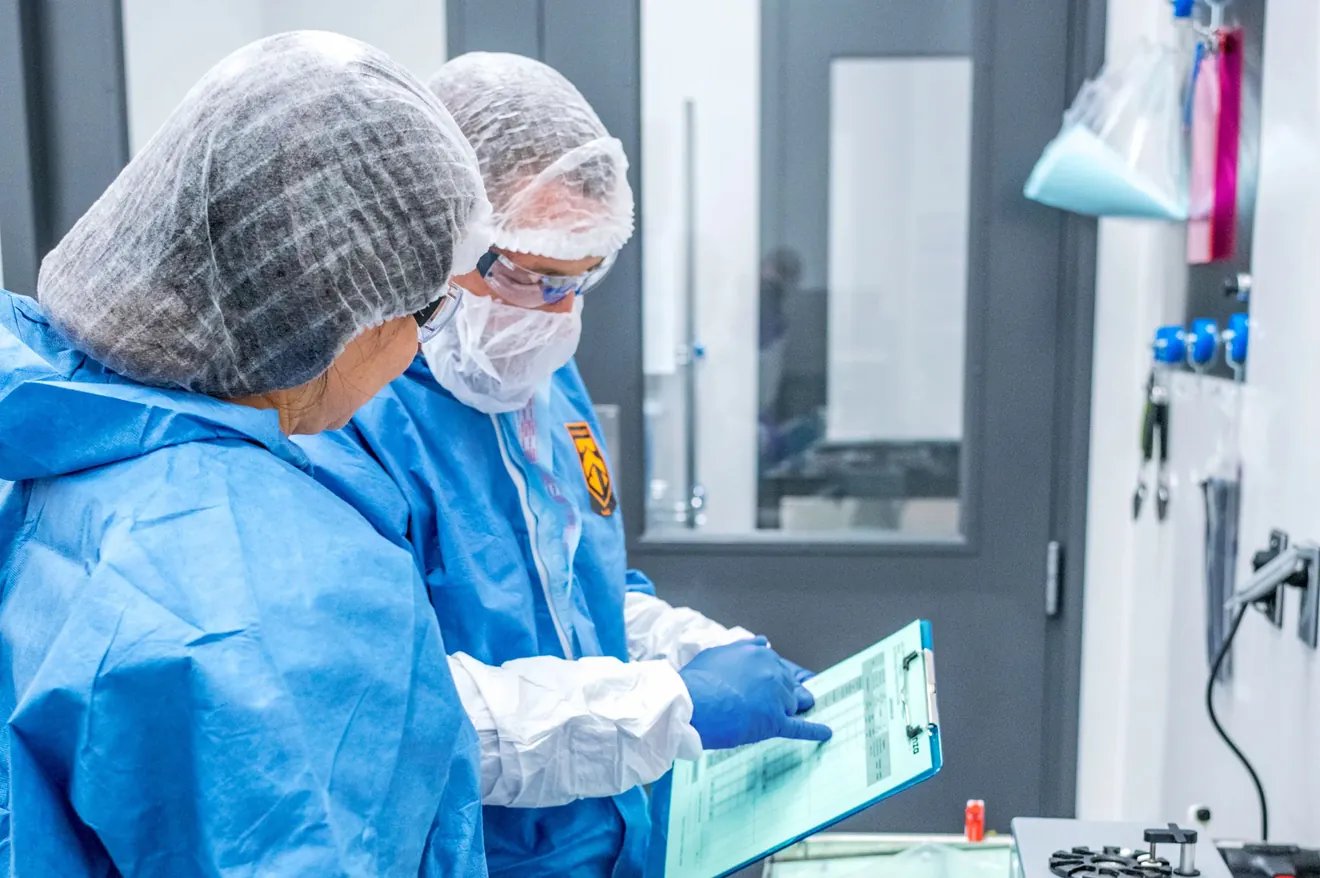


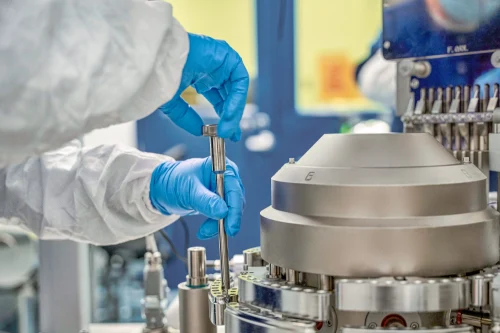
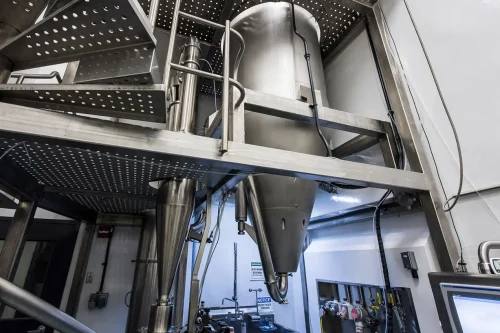
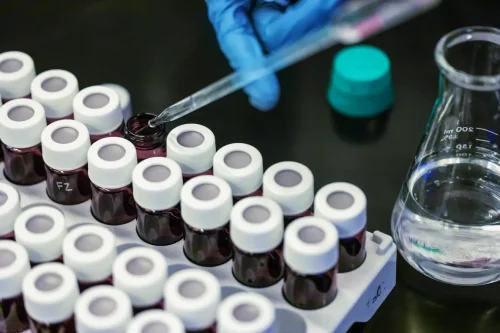
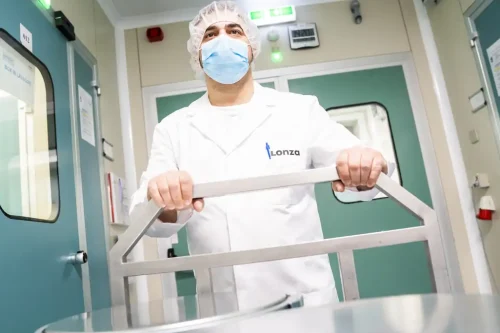
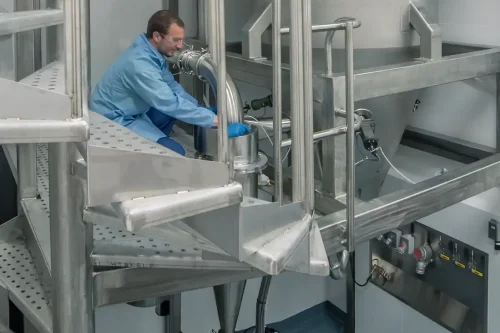

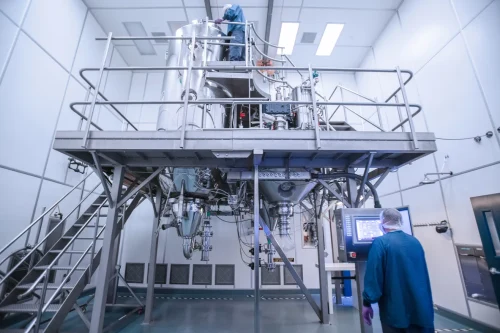
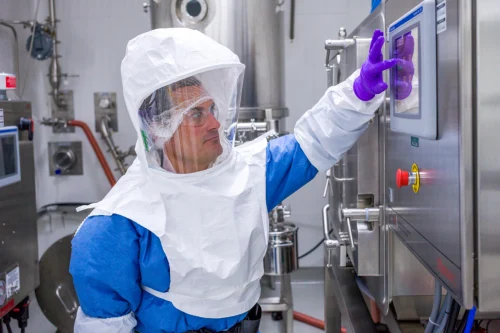
The choice between Spray-Dried Dispersion (SDD) and Hot-Melt Extrusion (HME) depends on your API's thermal stability and solvent solubility.
- SDD is more easily down-scaled and better suited for heat-sensitive molecules because rapid solvent evaporation prevents heat damage.
- HME is a continuous, solvent-free option for thermally stable compounds with a high melting point.
Because Lonza features both Spray-Dried Dispersion and Hot-Melt Extrusion platforms within our particle engineering services, we evaluate your asset impartially to match you with the most stable, cost-effective formulation pathway.
We understand that early-stage biotech assets must conserve raw materials. Lonza provides specialized, phase-appropriate non-GMP manufacturing services specifically designed for early de-risking, toxicology, and stability screening.
By combining micro-scale spray drying equipment with advanced predictive modeling, we map out viable drug-polymer combinations using minimal API. This allows small pharma teams to de-risk their bioavailability enhancement strategy before committing to clinical-scale manufacturing.
Maintaining physical stability is the top challenge when trapping an amorphous molecule inside a polymer matrix. Lonza solves this by providing comprehensive solid form services to screen for long-term formulation stability.
Our teams utilize predictive molecular modeling, polymer selection tools, and physical characterization methods to identify the optimal solid-state parameters. This ensures the API remains trapped in its high-bioavailability amorphous state and will not revert to a crystal form over its shelf life.
Lonza accelerates your timeline by eliminating vendor handoffs. Because we operate as a full-service CDMO, we seamlessly integrate early Solid Form Services, formulation development, and clinical drug product manufacturing under a single quality system.
This unified network compresses standard project timelines by cutting out the 3-to-4 month technical transfer delays commonly lost when moving an ASD formulation from a standalone development lab to a separate manufacturing site.
Scaling an amorphous dispersion from clinical supplies to high-volume commercial production introduces complex process and thermodynamic variables. Working with a single-source CDMO significantly reduces your chemistry, manufacturing, and control (CMC) risks.
Our cross-site integration means the same geometric scaling algorithms, analytical methods, and engineering standards support your molecule from initial feasibility through to global commercial supply lines.