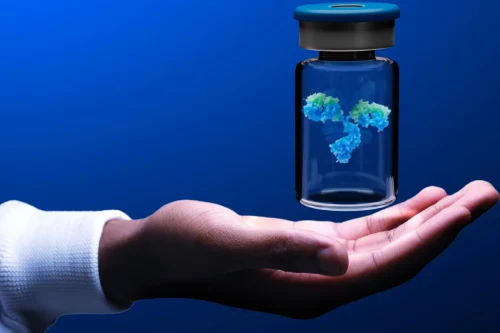
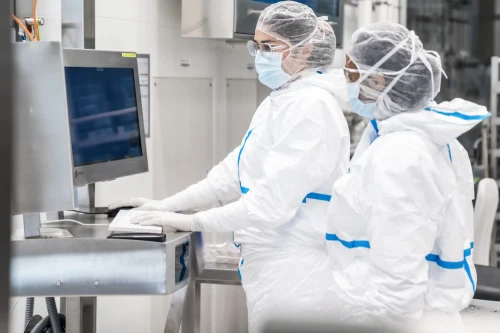
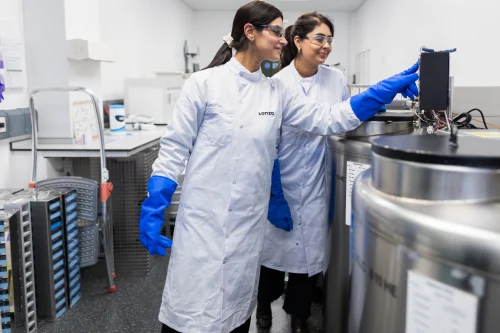
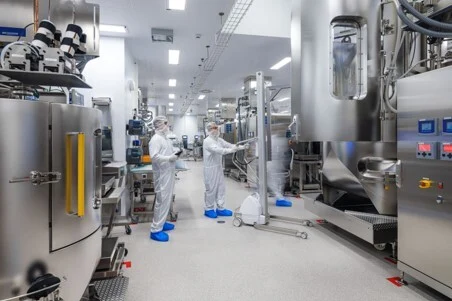
The pace of innovation in biotechnology has never been greater. Advances in areas such as precision medicine, antibody-drug conjugates (ADCs), cell and gene therapies, artificial intelligence and advanced manufacturing are creating new opportunities to address some of healthcare's most complex challenges. Yet scientific breakthroughs alone are not enough. Transforming promising discoveries into therapies that can be developed, manufactured and delivered to patients requires expertise, investment and collaboration across the healthcare ecosystem. As the UK and Nordic regions continue to strengthen their positions as leading hubs for biotech innovation and drug development, the importance of connecting scientific excellence with industrialization capabilities has become increasingly clear. From early-stage discovery through commercialization, innovators must navigate growing technical complexity, ambitious timelines and evolving manufacturing requirements. In this interview, our Senior Director, Head of Business Development EMEA/APAC, Giovanna Libralon, shares her perspective on why the UK and Nordic life sciences ecosystems are attracting global attention, the challenges biotech and pharmaceutical companies face when advancing new therapies, and how integrated development and manufacturing partnerships can help accelerate progress from breakthrough science to patient impact. The conversation also explores the growing role of AI-enabled technologies, the unique requirements of advanced therapies, and why collaboration between innovators, investors and industry partners will be critical to delivering the next generation of medicines.
Why are the UK and Nordic regions leading hubs for biotech innovation and drug development?
The UK and Nordic countries have built some of the world's most dynamic life sciences ecosystems. These regions combine globally recognized universities, innovative biotech companies, established pharmaceutical organizations and strong support for research and development. Together, they create an environment where scientific discoveries can progress more efficiently from the laboratory into clinical development. The UK's Golden Triangle—linking Cambridge, Oxford and London—stands out for its concentration of academic excellence and clinical research capabilities. Meanwhile, Nordic countries such as Sweden, Denmark and Finland have developed strong reputations for research investment, talent development, digital innovation and effective public-private collaboration. For biotech companies seeking to advance new therapies, these ecosystems offer access to expertise, infrastructure and partnership opportunities that can accelerate innovation.
Why do biotech and pharmaceutical companies face challenges when moving therapies from discovery to commercialization?
While scientific discovery is accelerating, developing a therapy that can be manufactured reliably and delivered to patients remains a significant challenge. Today's medicines are becoming increasingly complex. New modalities often require specialized manufacturing approaches, involve more sophisticated molecular structures and demand greater process understanding. At the same time, organizations are working against increasingly ambitious development timelines. As a result, success is no longer determined solely by scientific innovation. Companies must also navigate manufacturing complexity, scalability, regulatory considerations and technology transfer challenges. The ability to transform a promising molecule into a commercially viable therapy has become one of the industry's most important challenges.
How can an experienced CDMO help accelerate drug development and commercial manufacturing?
As therapies become more complex, many innovators seek development and manufacturing partners that can support them throughout the product lifecycle. Lonza's mission is to help innovators translate breakthrough science into viable therapies that can reach patients worldwide. Support begins during preclinical development and continues through clinical phases and commercial supply. By combining development expertise with manufacturing capabilities, Lonza helps customers navigate technical complexity and make informed decisions that support future scalability. This integrated approach becomes particularly valuable as companies work to accelerate timelines while maintaining quality, consistency and regulatory readiness.
Why is integrated development and manufacturing important for complex therapies?
For advanced modalities, development and manufacturing decisions are increasingly interconnected. An integrated model helps ensure that development decisions made early in a program support future scale-up and commercialization objectives. This can help reduce risk, improve efficiency and support a smoother transition between development stages.
How are AI and advanced technologies transforming pharmaceutical process development?
Technology is playing an increasingly important role in helping companies accelerate development and improve decision-making. One example is AI-enabled route scouting, which helps identify synthetic routes that are not only effective in discovery but also suitable for scale-up and manufacturing. The goal is to accelerate development while considering future manufacturing requirements from the outset. Lonza is also investing in predictive modelling technologies that help optimize processes, evaluate molecular characteristics and generate insights that can support development decisions. In parallel, automation and high-throughput experimentation platforms allow teams to generate larger data sets and make increasingly data-driven decisions throughout the development process.
What does it take to successfully develop and manufacture advanced therapies such as ADCs and cell and gene therapies?
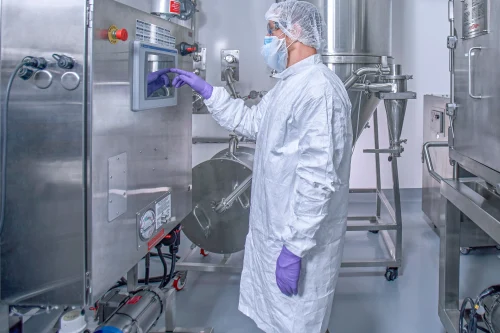
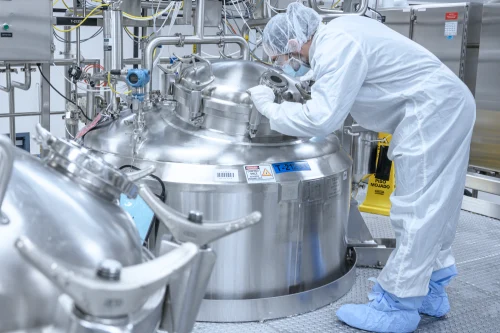
Advanced therapies represent significant opportunities for patients, but they also introduce new levels of complexity. Therapies such as ADCs and cell and gene therapies require specialized development expertise, advanced manufacturing capabilities and access to global networks of scientific and technical experts. These therapies often involve unique development pathways and manufacturing requirements that differ significantly from traditional approaches. Successfully advancing these modalities requires a combination of scientific knowledge, operational excellence and manufacturing readiness across multiple stages of development.
Why are strategic partnerships becoming essential for successful drug development?
The development of a new medicine can take many years and often involves scientific, operational, regulatory and financial challenges. In this environment, collaboration enables organizations to share knowledge, anticipate challenges and identify solutions earlier. Bringing together scientists, innovators, investors and industry partners can create opportunities to address common barriers and accelerate progress. We think meaningful innovation increasingly depends on co-creation across the healthcare ecosystem, particularly as the complexity of both science and the broader operating environment continues to increase.