Avoid manufacturing constraints as your microbial program scales
For microbial drug developers, selecting a manufacturing partner based only on immediate development needs can create challenges as a program progresses. If a CDMO cannot provide the capacity, expertise or infrastructure needed at larger scales, switching manufacturing partners later can introduce additional technology transfer, comparability, regulatory and supply chain complexity.
When capacity becomes a development constraint
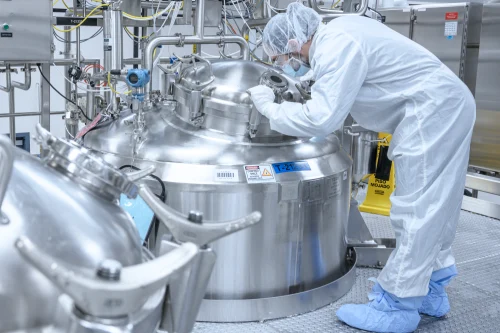
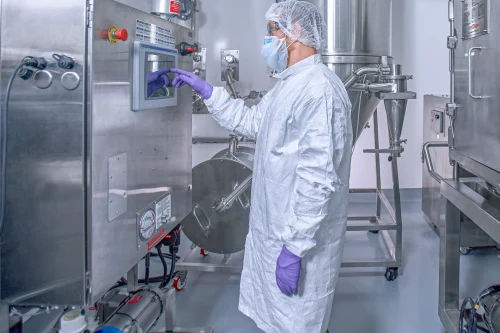
Microbial manufacturing capacity is about more than fermenter volume. A CDMO’s experience with the organism, process, quality and regulatory requirements can be just as important as its physical infrastructure. While smaller-scale manufacturing may support early clinical needs, increasing demand can expose capacity and technical limitations as a program advances.
The hidden impact of switching manufacturing partners
Microbial processes are rarely plug-and-play. Moving a process to another manufacturing partner can require additional technology transfer, process adaptation and technical resources, while introducing new comparability and regulatory considerations. The consequences can extend beyond manufacturing to affect development timelines, budgets, funding plans and ultimately the path to patients.
Build scalability into the manufacturing strategy
Planning for future manufacturing requirements early can help developers maintain greater flexibility as their programs evolve. Important considerations when selecting a microbial CDMO include:
- Scalable manufacturing capacity to support changing clinical and commercial requirements
- Relevant microbial and process expertise across development and manufacturing
- Raw material and supply chain planning aligned with future demand
- Analytical, quality and regulatory capabilities to support progression toward commercial readiness
- Technology transfer and process understanding to help manage scale-up complexity
- Flexibility to adapt manufacturing strategies as program requirements evolve
Start with the end in mind
Futureproofing microbial manufacturing does not mean predicting every requirement from day one. It means considering where a successful program may need to go and selecting a partner with the expertise, infrastructure and flexibility to support that journey.
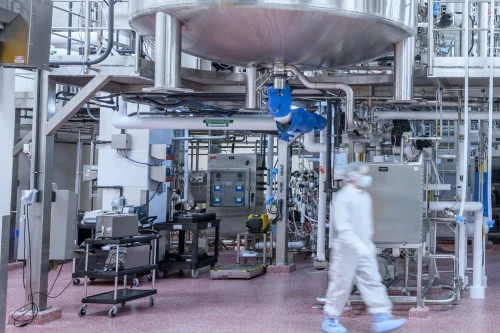
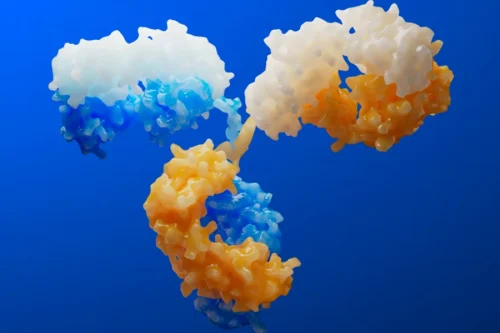
Lonza brings more than 40 years of microbial manufacturing experience, with fermentation capabilities spanning 50 L to 15,000 L and support from pilot-scale development through clinical and commercial production. Its experience covers microbial products including enzymes, hormones, recombinant proteins, polysaccharides, antibody mimetics and glycoconjugates.
Why early CDMO partnership matters
Engaging an experienced CDMO early can help identify potential technical, manufacturing and regulatory challenges while there is still flexibility to address them. Working with an integrated partner can also support better forward planning for manufacturing capacity, raw materials and evolving regulatory requirements as the program advances.
Build scalability into your microbial manufacturing strategy
Talk to Lonza’s microbial experts about how early manufacturing planning, flexible scale-up and integrated development-to-commercial capabilities can help reduce future capacity constraints and keep your program moving forward.