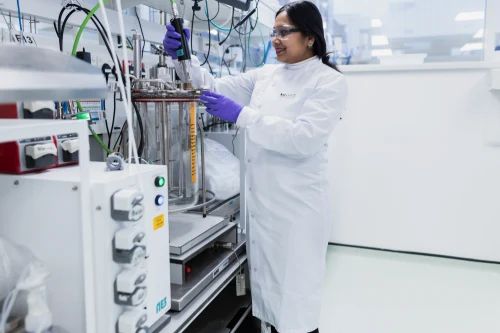
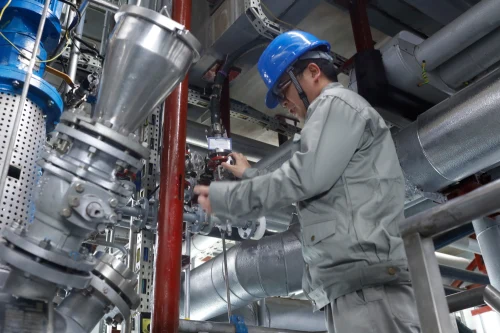
By joining Lonza, you will get to work with some of the world’s top experts in the space, while developing advanced therapies with a potentially life-saving outcome.
Behnam Ahmadian Baghbaderani
Vice President, Sales, Specialized Modalities
Our New Product Introduction (NPI) program maps out your entire journey to commercialization. It accounts for each key milestone with checkpoints to ensure you meet all required quality standards as your therapy progresses towards commercialization. The NPI program leverages our heritage and longstanding experience in establishing cGMP manufacturing standards, combining both corporate and local quality standards, customized for cell and gene therapies, to de-risk your journey to commercialization.
You will also maintain complete oversight during your product’s lifecycle journey, enabling you to assess and validate the quality of process robustness, raw materials, analytical methods, sterility, facility, equipment, and tissue acquisition throughout this journey.
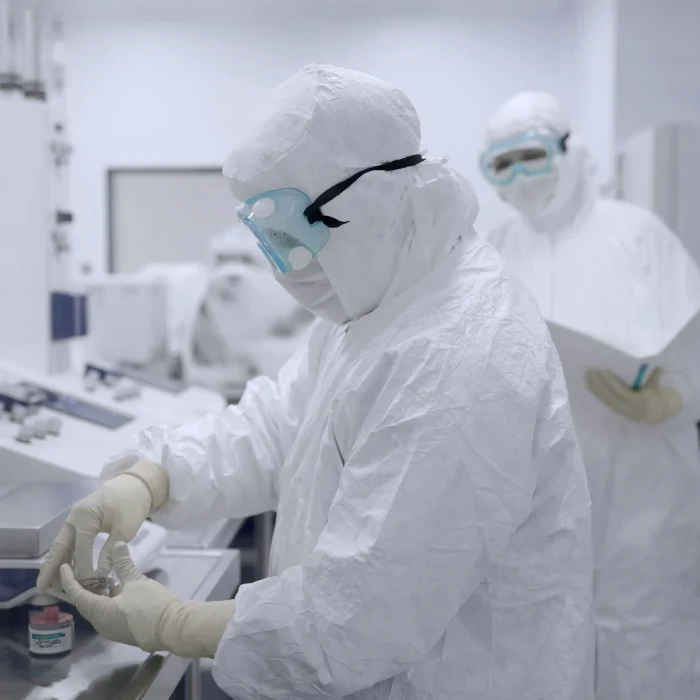
Our established, compliant facilities and processes enable you to leverage facility layouts, airflows, material storage, documentation processes and quality systems that have already proven to be suitable for commercial manufacturing and have passed regulatory agency inspections for other cell and gene therapies.
As a result, you can focus on your product’s manufacturing process to withstand the scrutiny of regulatory inspections, while relying on us to complete the regulatory compliance checkpoints at the facility where it is hosted. By minimizing risks to commercialization in this way, you will be able to avoid major rework, delays and related costs that could lead to a significant business loss.
Our cGMP manufacturing capabilities span three technologies – autologous and allogeneic cell therapies and viral vector gene therapy and our footprint spreads across three continents. We can support you at all stages of clinical development and commercialization to help you drive your pioneering therapies to market.
| Preclinical and early phase | Late phase and commercial | Support for optimized path to market |
|---|---|---|
| Manufacturability assessment | Global cGMP manufacturing capacity across 3 continents | Tissue acquisition services, Cell and viral banking |
| Process improvement & development | Global tech transfers | Customized business and operation models, facility build-out |
| Analytical assay development, qualification & validation | Commercialization readiness | Quality and regulatory set up for successful commercialization |
| Media optimization & development | Formulation & fill / finish | Regulatory consulting and services |
| Formulation & fill / finish | Storage & distribution | |
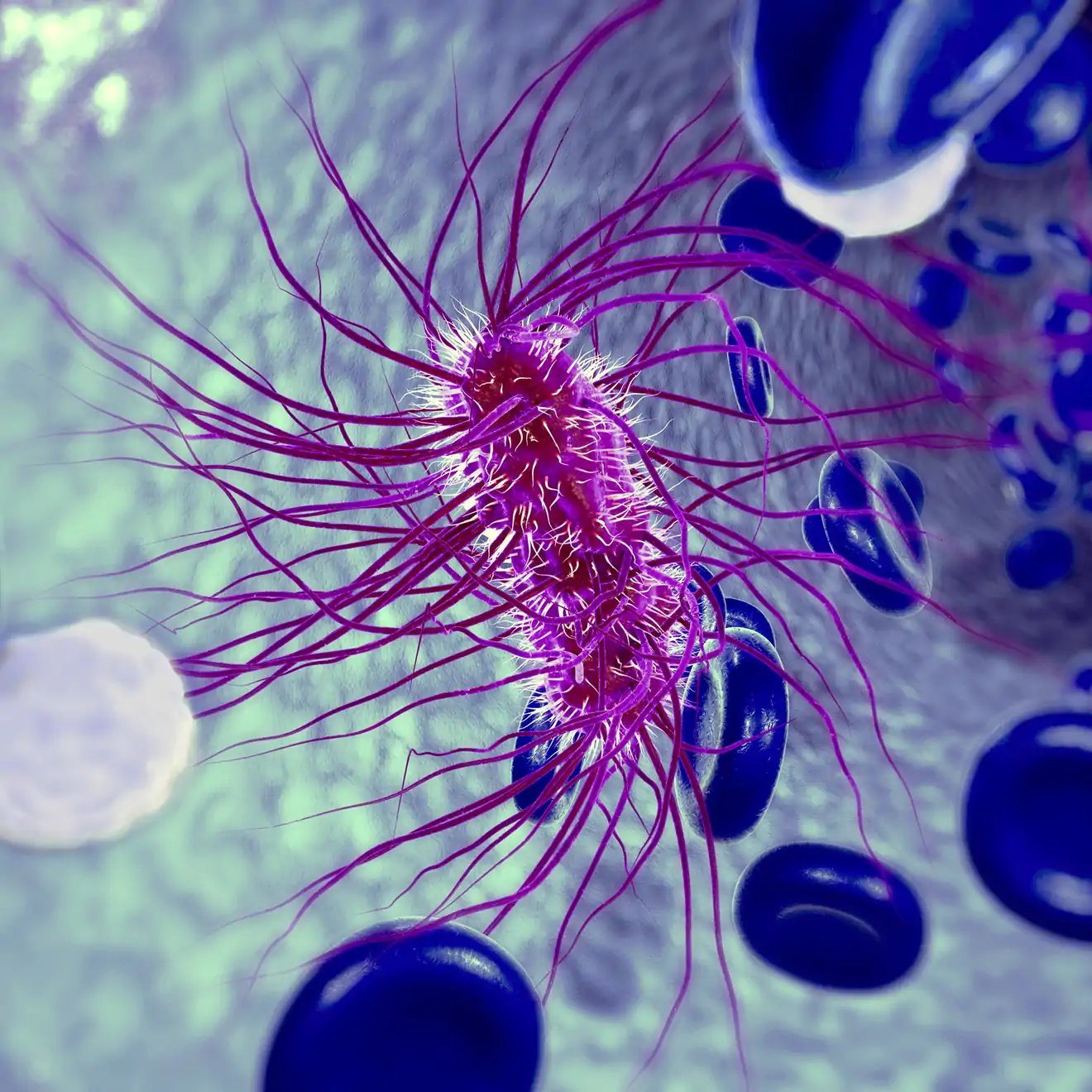
Our comprehensive range of testing solutions supports your pyrogen and endotoxin testing programs. Pyrogens are fever-inducing substances primarily derived from microorganisms such as bacteria, viruses, yeasts, molds or chemical substances. The most potent type of pyrogens are bacterial endotoxins which are derived from the cell wall of gram-negative bacteria. All parenteral pharmaceutical products, including cell and gene therapies, are required to be free of pyrogens that may induce life-threatening systemic reactions in a patient.
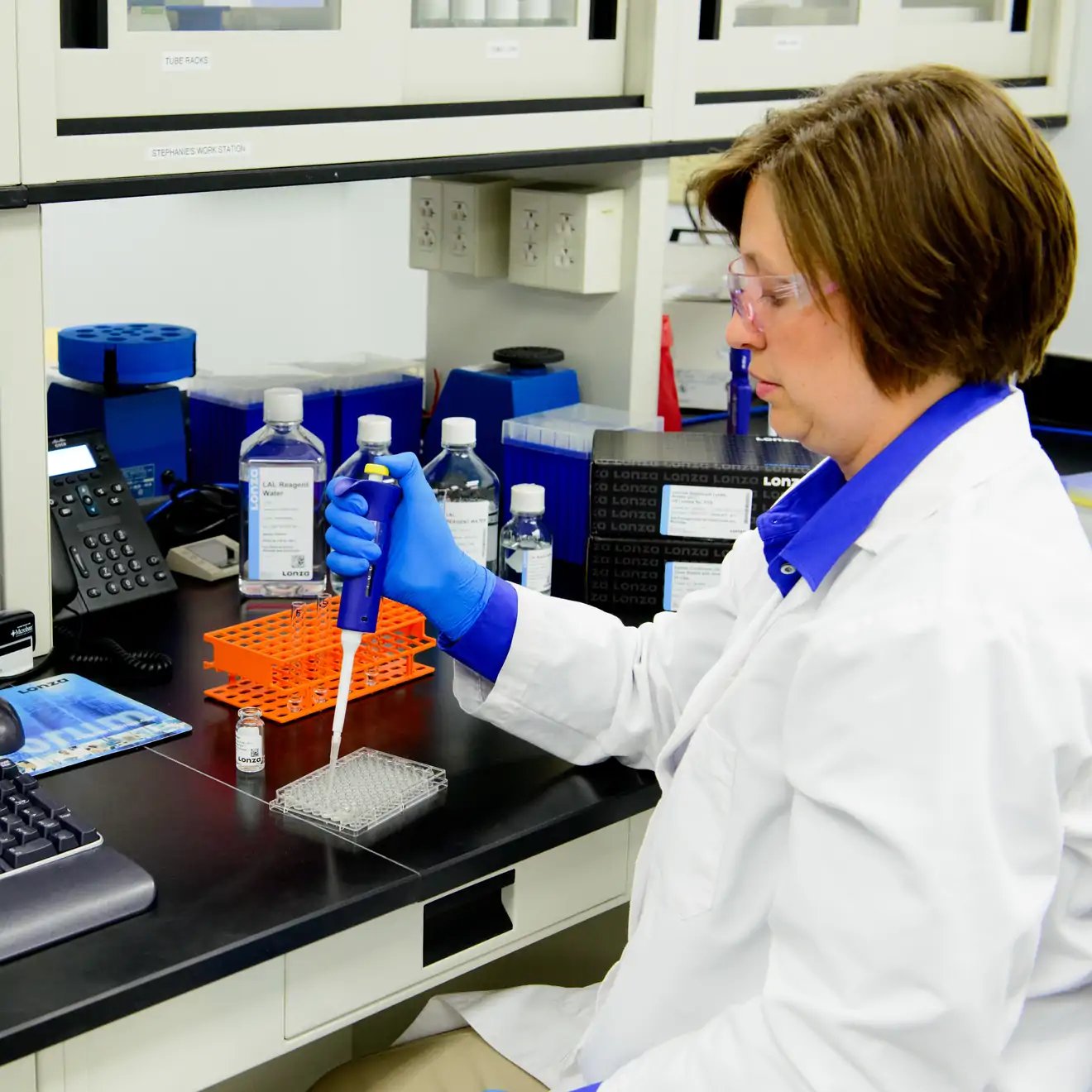
Lonza offers in vitro assays, instrumentation and data analysis software to fit your raw material, in process and final release testing needs. These solutions can be globally harmonized and scaled to fit your company’s changing business. Our team of global QC testing experts can help you find the solutions most suitable for your products. No matter where you are in your process, Lonza’s testing solutions, optimized with our world-class software, and supported by our experts, will help streamline your work flows, meet regulatory requirements and deliver safe drugs to your patients.
Learn more
There are four main types of bacterial endotoxin test (BET) methods that are used for required QC safety testing during the manufacture of parenteral medicines and implantable devices. All are based on the enzymatic cascade exhibited by specialized cells (amebocytes) found in the blue blood of horseshoe crabs which form a clot in the presence of endotoxin. The newer assays utilize recombinant versions of the proteins, providing a sustainable solution that reduces the reliance on natural resources.
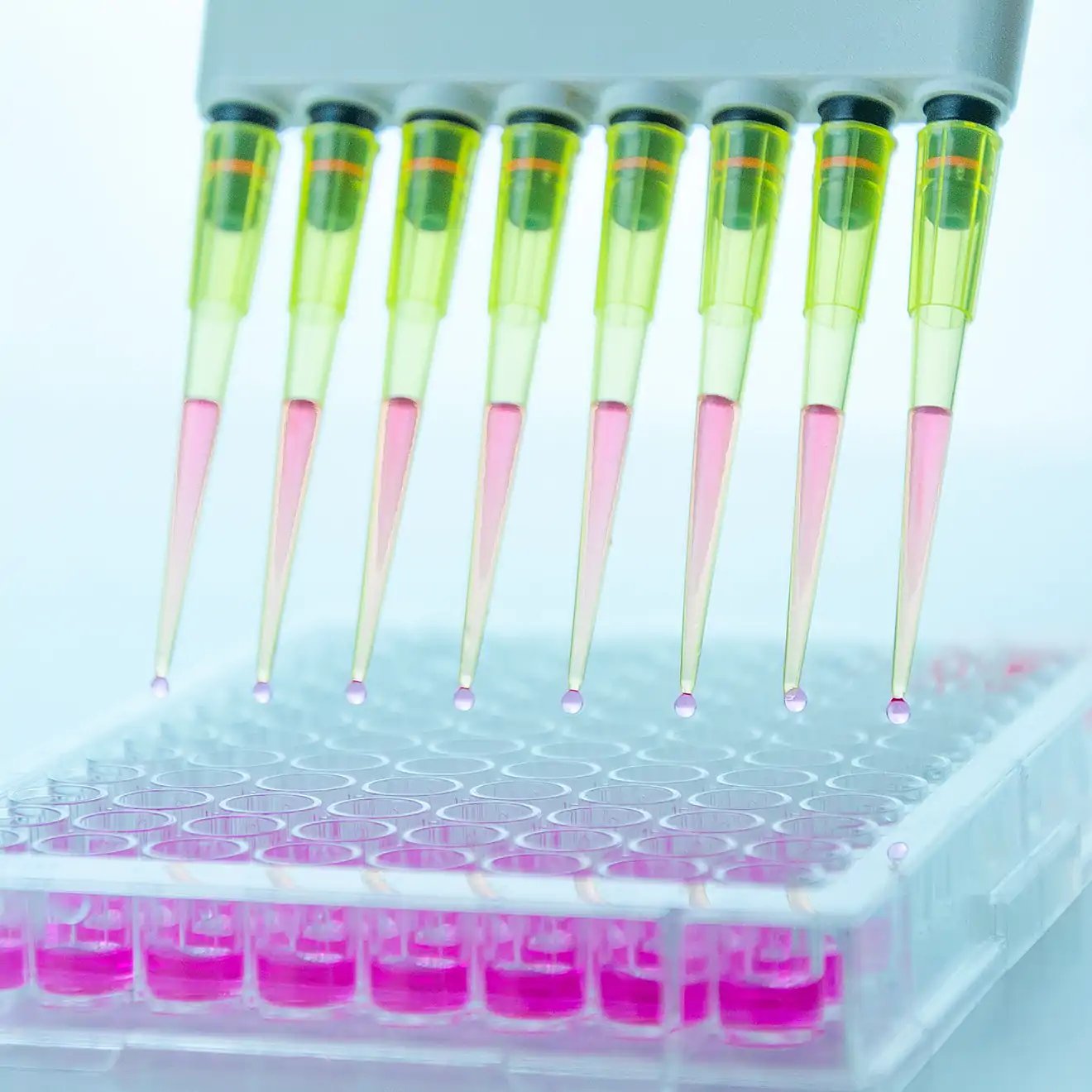
Lonza offers qualitative tests that measure gel clot formation, such as the PYROGENT® Gel Clot Assay, and quantitative tests that measure turbidity with the PYROGENT® 5000 Kinetic Turbidimetric Assay, a color change with the Kinetic-QCL® Kinetic Chromogenic LAL Assay or a fluorescence change with the sustainable PyroGene® rFC Assay.
Early detection of pyrogens in a pharmaceutical preparation is critical for quality control programs and an essential product safety measure. Pyrogens may originate from microorganisms such as bacteria and fungi and also from viruses, genome components or other organic particles from the environment. With the evolution of manufacturing technologies that deliver for example, vaccines, bioprocessed proteins or cell and gene therapy products, new contamination risks may arise in production. Pyrogens initiate inflammatory reactions when injected into a patient.
Instead of relying on rabbit-based pyrogen testing, you can now utilize an in vitro Monocyte Activation Test to help ensure drug product safety and compliance Though the Monocyte Activation Test principle was established decades ago, its adoption for life-saving biologics has only accelerated recently. Lonza offers the PyroCell® Monocyte Activation Test Systems to provide the perfect solution for life-saving drugs that are unethical to test in experimental rabbits or cannot be tested with standard bacterial endotoxin tests.
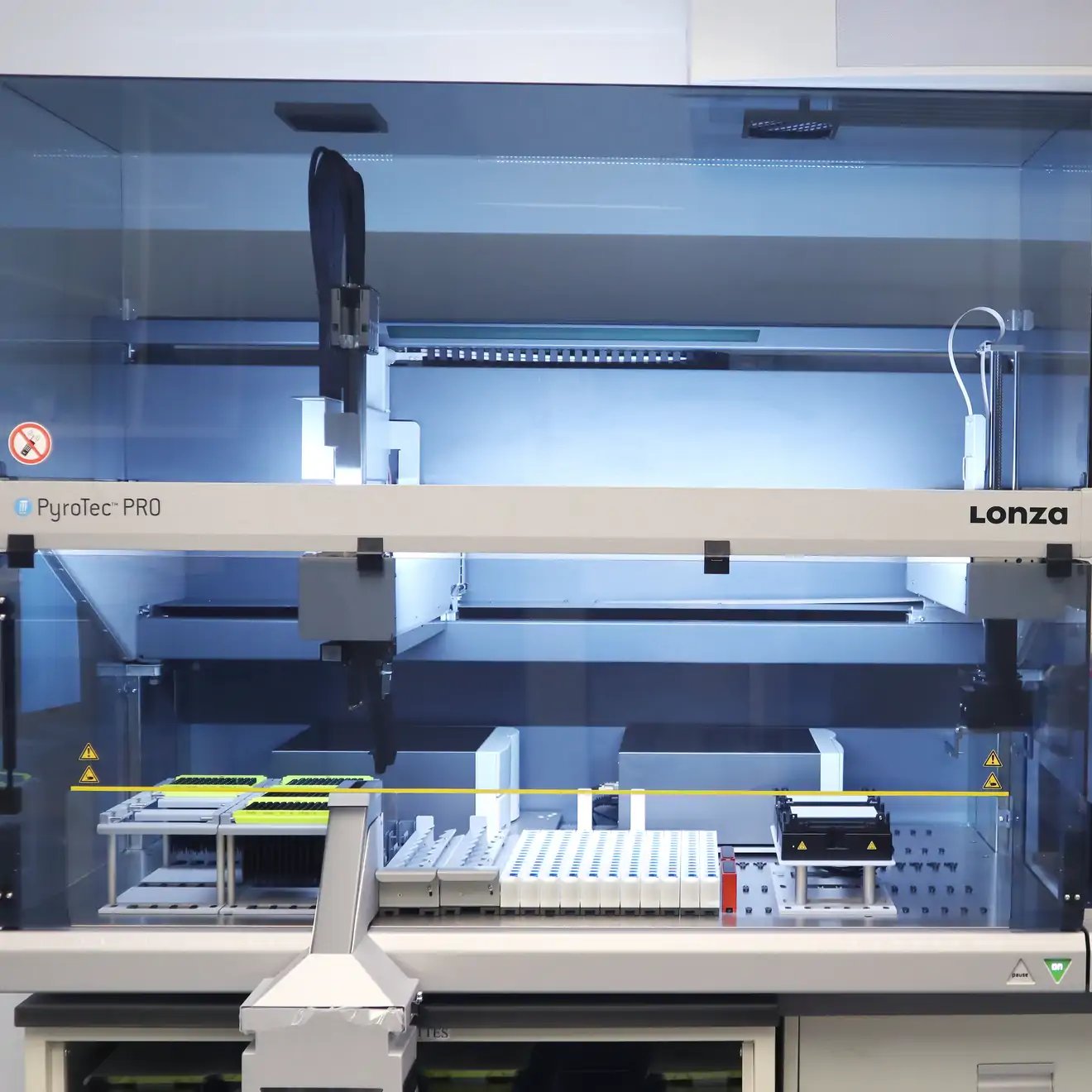
Endotoxin testing traditionally involves a number of manual laboratory preparation steps that are inherently prone to human error. To address these issues, Lonza created the PyroTec® PRO Automated Robotic Solution. Now compatible with the PYROGENT® 5000 Assay, Kinetic-QCL® Assay and the PyroGene® rFC Assay, the PyroTec® PRO System provides laboratories the ability to reduce errors and increase throughput using rFC and LAL assays to suit all your testing needs. The PyroTec® PRO Automated Solution is fully integrated with the WinKQCL® Endotoxin Detection and Analysis Software ensuring that data integrity requirements are met.
For labs with lower testing throughput, Lonza offers a range of microplate readers that are optimized for use with our WinQCL® Endotoxin Analysis Software. These readers include the new Nebula® Multimode Reader, capable of running both absorbance- and fluorescence-based endotoxin and pyrogen assays, the PyroWave® XM Fluorescence Reader, and the Elx808™ Absorbance Reader.
Our WinKQCL® 6 Software offers a fully integrated solution for your quantitative endotoxin detection testing, data management and reporting needs and can be utilized with the various endotoxin test methods. The WinKQCL® Software guides the user through the process of setting up a microplate template and running an assay to determine the amount of endotoxin in a sample solution. WinKQCL® Software can be used with a compatible microplate reader to run the template and perform common endotoxin tests such as initial qualification, routine tests, inhibition/enhancement tests and an RSE/CSE test. The WinKQCL® Software uses the run data to calculate the results for the sample solutions and their associated positive product controls. All data is displayed in an easy to read configurable report, can be electronically reviewed and signed.
The WinKQCL® Software Package can be easily ordered on line and e-delivered along with any additional workgroup or reader licenses required to expand database access and management in your specific laboratory, across your facility or within your entire global microbiology QC organization.
Vice President, Sales, Specialized Modalities